
"Ethiopia coffee exports"
4000 article(s) found

Unique aromatic Ethiopian Coffee Flavor Taste introduction to Fine Coffee in Manor production area
Coffee is Ethiopia's most important export cash crop and the main source of Ethiopia's foreign exchange earnings. Ethiopia's coffee exports account for about 3% of the world market, making it the eighth largest coffee exporter in the world. Coffee exports increased steadily from 58000 tons in 1990 to 110000 tons in 1995-1996 and remained at this level in the following years. 2001-2002

West Damomo Lion King Coffee Bean Grind Scale Processing Variety Manor Area Introduction
Coffee is Ethiopia's most important export cash crop and the main source of foreign exchange earnings. Ethiopia's coffee exports account for about 3% of the world market share, making it the eighth largest coffee exporter in the world. Coffee exports increased steadily from 58,000 tons in 1990- 91 to 1995 - 96
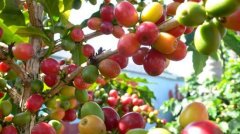
Ethiopia, the birthplace of coffee, is Asia's leading exporter of Arabica coffee beans.
Ethiopia has a variety of coffee cultivation methods: from wild coffee groves and semi-developed plots, to small plots of traditional farming, to modern plantations. About 50 percent of coffee is grown at altitudes of more than 1500 meters. Harrar coffee is the highest coffee grown in Ethiopia. Hara coffee can be divided into long

Ethiopian specialty Ethiopian coffee farm Ethiopian coffee industry and varieties
Ethiopia is one of the major producers of Arabica coffee in Africa, producing the best Arabian coffee in the world. It is said that coffee was first discovered by shepherds in Essekafa, and the name of coffee evolved from Kafa, so Essex is still the hometown of coffee. The geographical environment of coffee production and processing is very suitable for coffee growth. Coffee is mainly cultivated.

Ethiopian Coffee introduction one of the major producers of Arabian coffee in Africa
Ethiopia is one of the major producers of Arabica coffee in Africa, producing the best Arabian coffee in the world. It is said that coffee was first discovered by shepherds in Essekafa, and the name of coffee evolved from Kafa, so Essex is still the hometown of coffee. The geographical environment of coffee production and processing is very suitable for coffee growth. Coffee is mainly cultivated.

Ethiopian Coffee Flavor description Grinding degree Taste characteristics introduction of fine coffee beans
Washed coffee accounts for 35% of exports. Good quality washed coffee is processed with freshly picked fully ripe fruit, picked carefully and closely monitored by professionals. The picked clean coffee beans are pulped on the day of picking, then fermented, washed, dried and peeled. The humidity of processed coffee beans is kept at about 12%. Sun-cured coffee accounts for 65% of exports. Mainly by
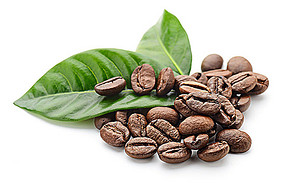
The grade of caffeine in Ethiopia
Following Cafe (official Wechat account vdailycom) found that Beautiful Cafe opened a small shop of its own background Ethiopia's coffee bean grading standards are supported by the American Professional Coffee Association. But remember, Ethiopia is a coffee producer, so why can't Ethiopia set its own standards?-in 2008, Ethiopia held a formal coffee trading center.

A brief introduction to the flavor and taste characteristics of Ethiopian coffee manor with moderate acidity and alkalinity
Harald Coffee this coffee grows in areas ranging from 900m in the Darolebu plain to 2700 m in the highland mountain range of Chercher in eastern Ethiopia. These mountains do provide unique characteristics for these perennial coffee beans: the fruit is full and long, moderately acidic, and the typical mocha is refreshing.

Introduction to the treatment methods of roasting degree of high-quality coffee beans in Ethiopian coffee producing areas
Coffee is Ethiopia's most important export cash crop and the main source of Ethiopia's foreign exchange earnings. Ethiopia's coffee exports account for about 3% of the world market, making it the eighth largest coffee exporter in the world. Coffee exports increased steadily from 58000 tons in 1990 to 110000 tons in 1995-1996 and remained at this level in the following years. 2001-2002

Introduction to the method of texture treatment of Ethiopian Coffee Flavor and Grinding degree
On coffee farms, high quality assurance is reflected in the timely and strict selection of mature and reddest coffee fruits. Picked coffee needs to be protected from direct sunlight, and the picked fruit is concentrated in a bamboo basket to avoid contact with the soil. The picked fruit is washed in clean water and preserved under water to improve the flavor and color of coffee beans. Processing

Arabica coffee beans wholesale price of Ethiopian coffee beans ILLY Italian Starbucks site
Ethiopia is one of the major producers of Arabica coffee in Africa, producing the best Arabian coffee in the world. It is said that coffee was first discovered by shepherds in Essekafa, and the name of coffee evolved from Kafa, so Essex is still the hometown of coffee. The geographical environment of coffee production and processing is very suitable for coffee growth. Coffee is mainly cultivated.

Introduction to Ethiopian Sidamo Coffee with acidity, texture, taste and aroma
The flavor of water-washed coffee is not easy to have wild flavor, and has the characteristics of purity and freshness, which is suitable for the baking degree from City to Full City. Some Ethiopian water-washed coffee beans with excellent nature can sometimes detect obvious lemon, citrus essential oils, jasmine, honey, etc., with obvious sour taste and mellow feeling.

Flavor description of Ethiopian Sidamo Lion King Coffee beans introduction to the taste of grinding scale varieties
Flavor description of Ethiopian Sidamo Lion King Coffee is Ethiopia's most important export cash crop and a major source of foreign exchange earnings. Ethiopia's coffee exports account for about 3% of the world market, making it the eighth largest coffee exporter in the world. Coffee exports increased steadily from 58000 tons in 1990 to 1995-1996.

Ethiopian Coffee Estate Introduction and Flavor Description Ethiopian Coffee Estate
Professional coffee knowledge exchange More coffee bean information, please pay attention to coffee workshop (Weixin Official Accounts cafe_style) in the Bible. In Genesis, Adam and Eve were expelled from the Garden of Eden for eating the fruit of the Tree of Knowledge. This fruit, since childhood reading books have been identified as apple (snake) fruit undoubtedly. But in fact, the Bible never mentions it by name; the first coffee tree happens to be the same tree

Acidity and texture of Sidamo Coffee Bean Flavor taste the characteristics of the manor producing area introduce Sidamo Shakiso
Coffee is Ethiopia's most important export cash crop and the main source of Ethiopia's foreign exchange earnings. Ethiopia's coffee exports account for about 3% of the world market, making it the eighth largest coffee exporter in the world. Coffee exports increased steadily from 58000 tons in 1990 to 110000 tons in 1995-1996 and remained at this level in the following years. 2001-2002

Ethiopian Coffee Flavor Flavor Manor introduces Ethiopian Coffee varieties
Washed coffee accounts for 35% of exports. Good quality washed coffee is processed with freshly picked fully ripe fruit, picked carefully and closely monitored by professionals. The picked clean coffee beans are pulped on the day of picking, then fermented, washed, dried and peeled. The humidity of processed coffee beans is kept at about 12%. Sun-cured coffee accounts for 65% of exports. Mainly by

Acidity and texture of Ethiopian Fine Coffee Bean Flavor and Taste Manor
35% of the coffee is courtyard coffee. In this kind of coffee garden, the planting is three-dimensional. Coffee is located in the lower layer and gets a suitable growth environment in the shade of other crops. Fertilizers are mainly fallen leaves, withered grass and animal manure. 5% of the coffee belongs to plantation coffee. This is a modern way of growing coffee, which is also grown in forests, but uses new varieties and works with others.

The taste of Yega Chefevoca Coffee describes the characteristics of the producing area and the manor.
The coffee market regulatory body in Ethiopia is the Ethiopian Coffee and Tea products Administration. There are two auction centers in the country, one in the capital Addis Ababa (Addis Ababa) and the other in Dire Dawa in eastern Ethiopia. Coffee growers bring fresh fruit or to private coffee processing plants or cooperative coffee washing stations

Introduction to the flavor of Ethiopian Sidamo coffee beans with jasmine and honey flavor
The flavor of water-washed coffee is not easy to have wild flavor, and has the characteristics of purity and freshness, which is suitable for the baking degree from City to Full City. Some Ethiopian water-washed coffee beans with excellent nature can sometimes detect obvious lemon, citrus essential oils, jasmine, honey, etc., with obvious sour taste and mellow feeling.

Introduction to the flavor and taste characteristics of Ethiopian coffee manor with moderate acidity and alkalinity
Sidamo Coffee this coffee grows in areas ranging from 1400 to 2200 meters above sea level on the shoulder slopes of the Rift Valley in East Africa. Natural (sun-cured) and washed coffee are of unique quality, moderate pH and good quality. It is estimated that out of 61000 hectares of cultivated area, the average annual production of this coffee is 37000 tons (equivalent to 620000 bags of 60 kg coffee). Harald